

Nail Salon Membership: How to Launch a Subscription Package and Earn Reliable Monthly Revenue
A monthly manicure membership isn't just a loyalty discount — it's a fully-formed business model that delivers predictable revenue and keeps clients coming back for years. This guide walks you through how to design, launch, and promote a nail salon membership model from scratch.
Imagine this: on the first of every month, money lands in your account before you've even unlocked the studio door. Clients are already booked, supplies are stocked, and your techs' schedules are full. That's exactly how a nail salon subscription package works when it's built right.
Most nail salon owners live appointment to appointment. A great month feels like a win; a slow one brings stress and cash-flow gaps. A monthly manicure membership changes that dynamic at the root: instead of selling a single visit, you sell access to your services for a month or a quarter. The client pays upfront, and you gain confidence in tomorrow.
This guide is a practical playbook for salon owners in the US, UK, Australia, Canada, and other English-speaking markets. No filler theory — only what actually works.
Why a Membership Wins for Both the Client and the Salon
The traditional nail salon model depends on a constant flow of new clients. Acquiring them costs money: ads, promotions, first-visit discounts. Meanwhile, the average client who comes in on a deal visits once or twice and disappears. In the nail segment, the cost to acquire a single client can run $25–$70 — money that's wasted if they don't return.
A nail salon membership model solves this at the source. Once a client buys a membership, they're psychologically committed to your studio for the entire paid period. There's no reason to try the competitor down the street — they've already paid you. Research into beauty subscription programs consistently shows that the average lifetime of a membership client is three to four times longer than that of a one-time visitor.
For the salon, this means predictable revenue. If you have 50 active memberships at $150 each, you know that $7,500 is coming at the start of the month — regardless of the weather, public holidays, or whether clients are feeling motivated. You can plan purchasing, payroll, and marketing without guesswork.
The client wins too: a locked-in price, priority booking, and the feeling of VIP status. A well-designed beauty salon recurring revenue model isn't just cheaper for the client — it's more convenient and more comfortable.
Which Membership Formats Actually Work
Before you launch, decide exactly what you're selling. There are a few proven formats.
Format one — a fixed number of services. For example, four manicures per month (roughly weekly) or two manicures plus one pedicure. The client buys a "bundle" and uses it whenever suits them. This format is easy to understand and easy to sell.
Format two — unlimited within a specific service. The client pays a flat fee and comes in as often as they need for one procedure — say, gel-polish removal and reapplication. The economics here require careful math: unlimited works only if the average client visits no more frequently than your pricing assumes.
Format three — tiered membership. Three plans: Basic (manicure only), Standard (manicure + pedicure), and Premium (full hand and nail care + priority booking + a discount on add-on services). This structure covers different audience segments and creates a natural upsell path.
Which Format to Start With
If this is your first nail salon subscription package, keep it simple: one plan, four manicures per month, a fixed price that's 15–20% less than walk-in retail. It's easy to explain, easy to track, and easy to sell. Once you have 20–30 subscribers and understand their usage patterns, you can build out additional tiers.
How to Price Your Membership
The number-one mistake when launching a subscription is picking a price by gut feel — or just slapping a 20% discount on retail and hoping for the best. You need the math.
Start with your cost per service. Add up materials, the technician's time (their hourly rate), a share of rent, and overhead. Let's say a gel manicure costs you $45 to deliver, with a retail price of $85. Your margin is $40.
Now model the membership. Four visits a month at $45 cost = $180 in costs. If you sell the membership for $280 (versus the retail value of four visits at $340), the client saves $60 (about 18%), and you earn $100. In retail, those same four visits would have earned you $160. Less per visit? Yes. But you received the money upfront, the client is guaranteed to return all four times, and you spent nothing to re-acquire them.
Also factor in underutilization. Research from fitness and beauty subscription businesses shows that 15–25% of clients never fully use their membership — they skip visits, forget, or travel. That's pure margin for you. Don't build your business model on this effect, but do include it in your projections.
The Legal and Operational Setup
In the US, UK, and most other markets, selling memberships is governed by standard consumer-protection rules. A few practical guidelines.
Always use a written agreement or clear terms — even a simplified one-page version. Specify: what's included, the membership duration, freeze conditions (illness, vacation), and the refund policy for early cancellation. In many jurisdictions, clients are entitled to a pro-rated refund for unused services — spell this out upfront to avoid disputes.
Set the membership period at 30–35 days (rather than a calendar month) — it's easier for clients to plan around, and you'll have fewer "I ran out of time before the end of the month" situations. Allow one freeze per period, up to two weeks — it reduces churn and reads as a genuine gesture of goodwill.
Operationally, you can track memberships in a Google Sheet when you're just starting out. But past 15–20 subscribers, that becomes an error waiting to happen. Nail salon CRM tools let you link a membership to a client's profile, automatically deduct visits, and send balance reminders.
How to Sell a Membership to a Client Who "Already Comes Regularly"
The most common objection: "Why would I pay upfront if I already come every three weeks?" It's a fair question, and you need a ready answer.
Argument one — savings. Make the numbers concrete: "You come in about four times every two months — that's $340 at retail. With a membership, it's $280. You're saving $60, which is nearly a free visit every couple of months."
Argument two — priority booking. Membership holders get access to the booking calendar 48 hours before anyone else. In a busy salon, that genuinely matters — clients won't be waiting two weeks for their favourite tech.
Argument three — price lock. Material and service costs go up. Buying a membership locks in today's price for the full membership period. When you announce a price increase, this becomes a powerful incentive to sign up right now.
A Script for Your Technician
The ideal moment to offer a membership is at the end of an appointment, when the client is happy with their nails. A short script: "You've been coming to us for a while now — clearly you like it here. I wanted to tell you about our membership: four manicures a month for $280 instead of $340, plus priority booking. Interested?" No pressure, just specifics.
The Launch: Your First 30 Days
Don't wait for a perfect system. Run a pilot with your existing clients.
Week one: lock in your format and price, write up a simple one-page terms sheet, and create a separate line item in your booking system or spreadsheet to track memberships.
Week two: make a personal offer to your top 50 clients — the ones who visit most frequently. Reach out individually, not via mass email: "Sarah, you've been with us for over a year — we really value your loyalty and want to give you first access to our new membership." Personal outreach converts three to four times better than a broadcast message.
Weeks three and four: collect feedback. What do they like? What's unclear? Which services would they want included? This is invaluable input for refining the offer.
A realistic goal for month one is 10–15 memberships. That's already $2,800–$4,200 in guaranteed revenue for the following month. Not huge — but it's a foundation.
How to Retain Subscribers and Reduce Churn
The biggest risk in a nail salon membership model is churn after the first or second month. The client tried it, didn't feel the full value, and didn't renew. Preventing that requires a systematic approach to retention.
Reminders work. A client who has one unused visit left out of four will very likely forget about it — and then not renew because they didn't get full value. Send a reminder on day 20 and again on day 25: "You still have one visit on your membership — book before your cycle ends." This reduces wasted memberships and boosts satisfaction.
Create a sense of belonging. Small perks — first access to new gel-polish collections, an invitation to a members-only event once a quarter, a physical "Member" card — build emotional attachment. People want to be part of something.
Address churn proactively. If a client hasn't booked in the first two weeks of their cycle, that's a warning sign. Call or message them personally — not to remind them about their membership, but to ask: "Is everything okay? We haven't seen you this month." That kind of outreach feels like care, not a sales pitch.
Automate renewals. A notification five days before a membership expires, with a simple payment link, means most clients will renew without thinking twice. Every extra step in the payment process reduces renewal conversion.
Mistakes That Kill a Subscription Before It Starts
An overcomplicated lineup. If you have eight plans with different service combinations, clients can't choose — so they choose nothing. Start with two or three options.
No tracking. When your tech doesn't know how many visits a client has left, conflicts happen. "I thought I had two more visits" — and the client leaves frustrated. Clear tracking isn't optional; it's non-negotiable.
Selling memberships to everyone. A monthly manicure membership works for loyal clients who already visit regularly. Pitching it to someone on their very first appointment feels pushy and can drive them away. Wait until the second or third visit.
Too steep a discount. If you're giving 40% off in your membership, you're working close to breakeven. The right discount for the nail segment is 15–20%. That's enough for clients to feel the value, and enough for you to stay profitable.
Ignoring objections. "I'm not sure I can come every week" is not a "no" — it's a request for flexibility. Your answer: "The membership runs for 35 days and you can book any time — there's no required frequency."
Measuring Results and Growing Your Subscriber Base
After three months, you'll have data to work with. Track these metrics.
Retention rate — the percentage of clients who renew into a second month. A healthy benchmark for nail salons is 65–75%. If you're below that, investigate: inconvenient scheduling, low utilization, service issues.
Average membership utilization — how many visits subscribers actually take on average. If the average is well below the maximum (say, 2.5 out of 4), clients aren't feeling full value — step up your reminders.
Revenue per subscriber — count not just the membership fee but also add-on purchases. Well-run beauty salon recurring revenue models lift average ticket size through upsells: "Would you like to add nail art to your standard service today?"
For growing your subscriber base, referral mechanics work well: "Refer a friend, get a bonus visit." Members become your most loyal source of word-of-mouth — they're already committed to the salon and recommend it genuinely.
Conclusion
Launching a nail salon subscription package isn't a one-time promotion — it's a shift in how your business operates. The first month will be an experiment. The second will be a learning curve. By months three and four, you'll notice that part of your revenue arrives automatically, and that changes how you think about your whole business.
Start simple: one plan, 10–15 regular clients, honest economics. Don't wait for the perfect CRM or the perfect moment. A monthly manicure membership isn't sold by systems — it's sold by the trust you've already built with your clients.
If you want to simplify the operational side — tracking memberships, automating renewal reminders, online booking for subscribers — the tools exist. ManicBot, for example, is built to automate exactly these tasks: clients receive reminders, book themselves, and you see in one place who has renewed, who hasn't, and how many visits each subscriber has left. But the most important thing isn't the tool — it's the decision to get started.
Related articles

How to Rank Your Nail Salon at the Top of Google Maps for "Near Me" Searches and Win Walk-In Clients in 2026
A practical guide for nail salon owners: how to optimize your local presence, claim the top spots in Google Maps, and turn online visibility into real clients walking through your door — no appointment needed.
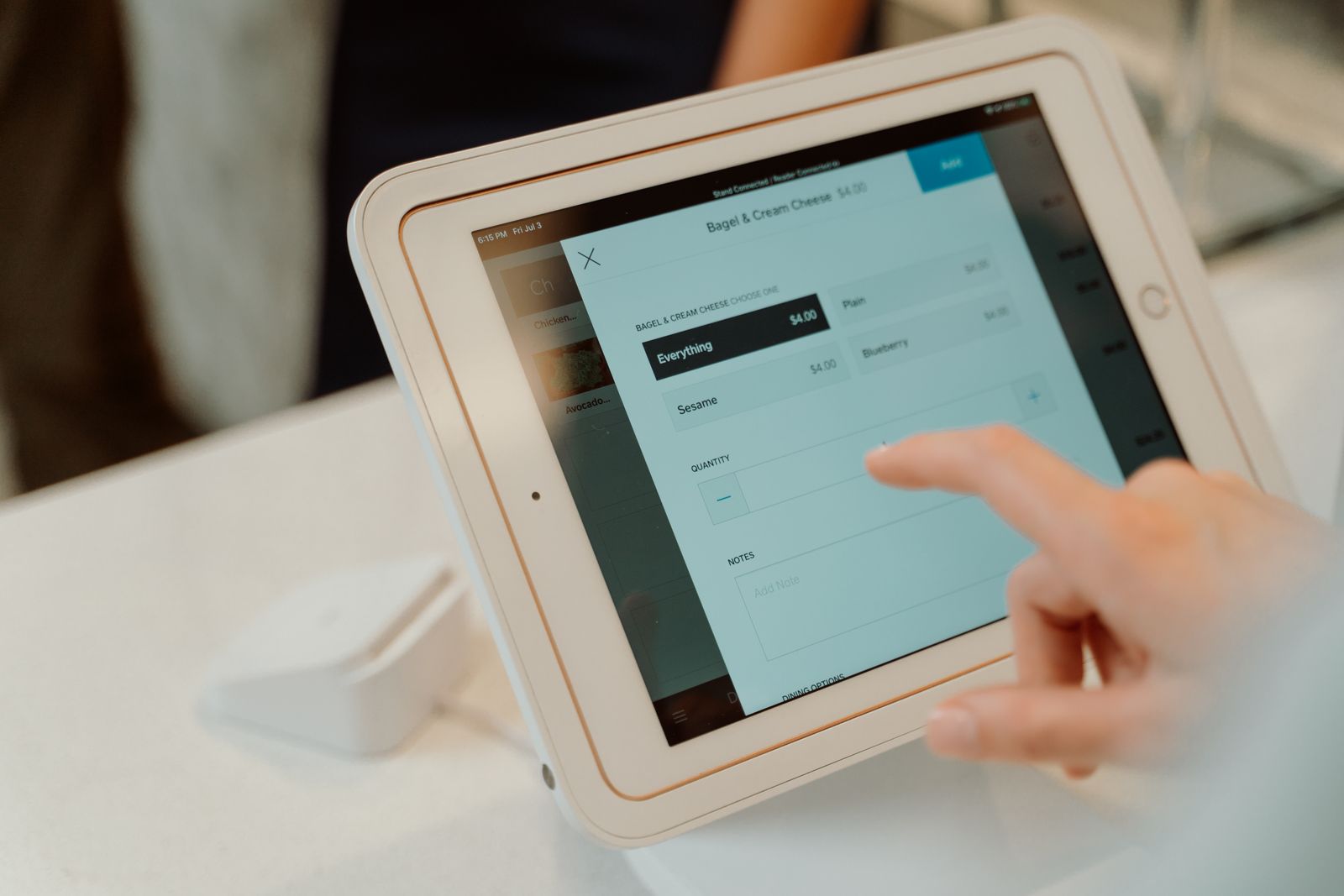
How to Set Up Payment Processing for Your Nail Salon: POS Systems, Online Payments, and Booking Integration
Everything nail salon owners need to know about choosing a POS system, enabling online payments at booking, and connecting it all together — so clients pay effortlessly and your money lands on time.

Nail salon pricing & menu engineering: charge more, keep clients
Tiered service menu, 90–100% markup on complex work, 3–5% annual price raises and a premium anchor. How to lift your nail salon's ticket and keep clients.