
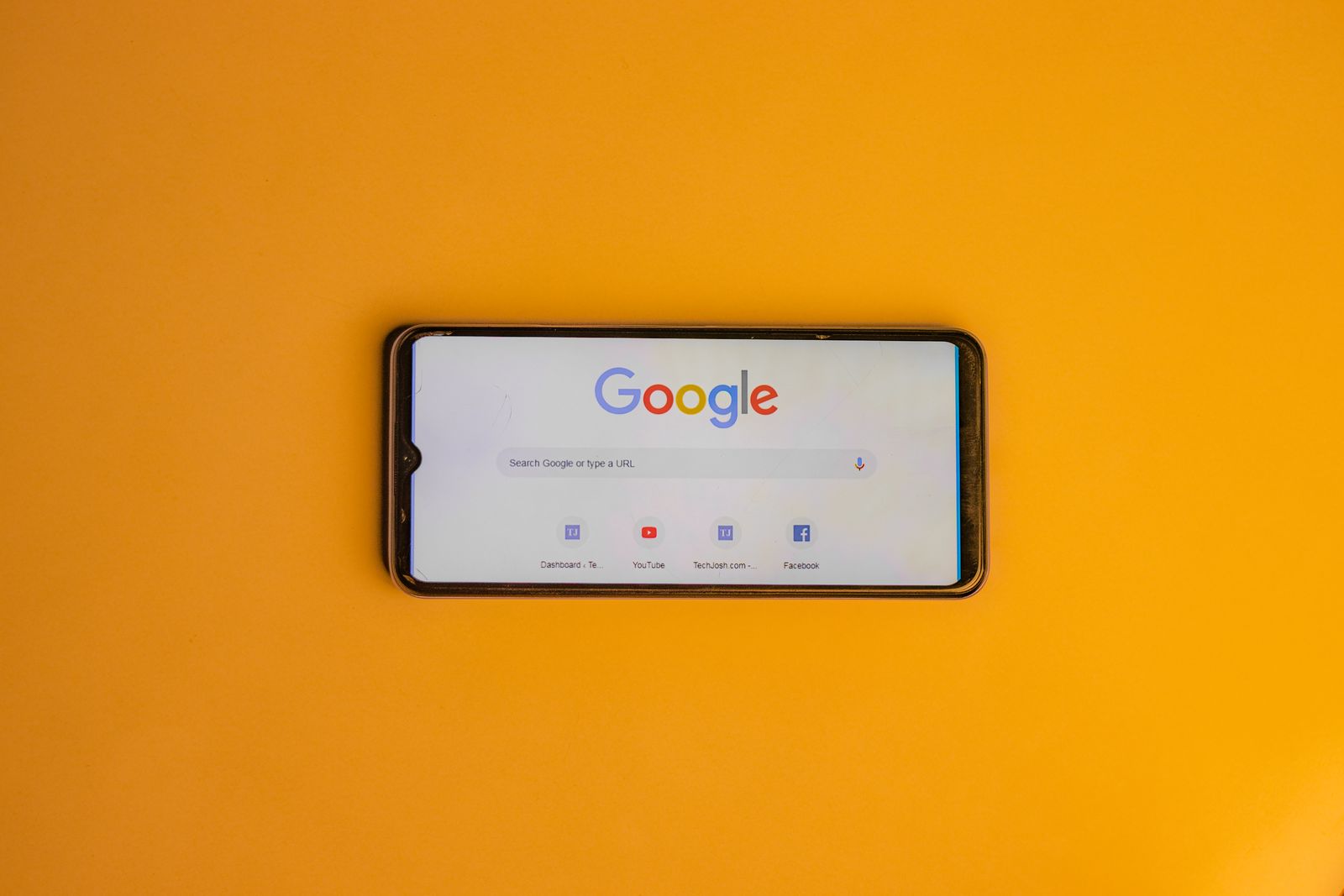
How to Rank Your Nail Salon at the Top of Google Maps for "Near Me" Searches and Win Walk-In Clients in 2026
A practical guide for nail salon owners: how to optimize your local presence, claim the top spots in Google Maps, and turn online visibility into real clients walking through your door — no appointment needed.
Every day, thousands of people pick up their phone and type "nail salon near me" — or simply tap the map to find somewhere close. Most of them are ready to book today. They want an appointment tonight, not an hour of scrolling through competitor websites. This is the hottest audience any nail salon can ask for: people with money, intent, and a low barrier to decision-making.
The catch is that only three to five salons fit into that window of visibility — the ones that land in Google's "Local Pack." Everyone else is invisible, even if they're two blocks away from a potential client. This guide breaks down how to get into that block, stay there, and make sure every click turns into a visit.
Why Local Search Beats Paid Social
Running ads on Instagram or Facebook requires a constant budget and stops working the moment you pause spend. Local search works differently: the effort you invest once keeps bringing in clients for months and years. According to Google, 76% of people who search for something nearby on their phone visit that business within 24 hours. For nail salons, that number skews even higher — getting your nails done is an impulse decision, and proximity is everything.
Nail salon local search ranking on Google follows its own logic, separate from traditional SEO. Three factors drive rankings: relevance (how well your profile matches what someone searched for), distance (how close you are to the user), and authority (how much Google trusts your business). You can influence relevance through profile optimization and authority through reviews and mentions across the web. Distance you can't change — but a strong profile and solid reputation more than make up for it.
Google Business Profile: The Foundation of Your Visibility
If you don't have a verified Google Business Profile yet, that's the first thing to do today. Without it, you don't exist on the map, and no other marketing effort will save you.
Once the profile is live, most salon owners fill it out carelessly. Here's what actually matters:
- Business name — use your real salon name without stuffing in keywords like "cheap nail salon best prices." Google has been actively demoting profiles with keyword-padded names since 2024.
- Category — set "Nail salon" as your primary category. Secondary options like "Beauty salon," "Spa," and "Waxing hair removal service" are fine to add only if those services genuinely apply to your business.
- Description — you get 750 characters that Google doesn't display directly in search results but absolutely reads when ranking you. Describe your services, the neighborhoods you serve, and what makes you different. Don't write "nail salon near me SEO" — write for humans, not algorithms.
- Attributes — fill out every one: whether you accept cards, offer Wi-Fi, are wheelchair accessible, or provide children's services. Each attribute is an additional signal to the algorithm.
- Hours — update them every time something changes, including holidays. Profiles with outdated hours lose rankings.
A word on photos: profiles with more than 100 photos receive on average 1,065 times more views than profiles with no images. Upload not just finished nail work, but also your interior, technician stations, and in-process shots. The algorithm rewards consistency — bulk-uploading 50 photos once and going silent is worse than adding 5–10 new photos every week.
Reviews: How to Get Them Systematically and What to Do With Them
The volume and quality of your reviews is the second most important local ranking factor after the profile itself. Salons with a 4.5+ rating and 50 or more reviews hold top spots in the Local Pack in the vast majority of markets.
The problem is that happy clients rarely leave reviews on their own — unlike unhappy ones. Changing that ratio requires a system.
The most effective approach is asking right after the service is complete, while the client is still in the salon or just stepping out. A technician saying "So glad you loved it — if you have a moment, a Google review would mean the world to us" paired with a QR code at the front desk linking directly to your review form converts roughly 4–5 times better than a follow-up text message sent a day later.
What do you do with negative reviews? Always respond — ideally within 24 hours. The template: acknowledge the situation, apologize without making excuses, and invite them to resolve it privately. Google factors in not just review count but how actively a business engages with its feedback.
One firm rule: never buy fake reviews. Google's detection has become highly accurate, and the penalty can mean your profile gets removed entirely.
Local Keywords and Where to Use Them
Near me searches for nail salon optimization start with understanding exactly how people look for your services. Beyond the obvious "nail salon near me," there's a long tail of high-intent queries worth targeting:
- "gel nails [neighborhood or city]"
- "acrylic nails near me affordable"
- "nail salon open now"
- "walk-in nail salon [city]"
- "pedicure near [landmark or transit stop]"
These phrases belong in three places: your Google Business Profile description, your Google Posts (more on those below), and your website or landing page. If you don't have a website, build at minimum a one-page site with your salon name, address, services, and pricing. Without a website, Google's algorithm treats your business with noticeably less trust.
On your site, the most important page for local SEO is your homepage or "About" page. It should include your full address (with zip code), the name of your neighborhood and nearby landmarks, your hours, a list of core services with prices, and a few natural mentions of your city and area throughout the copy. Don't write "nail salon near me" — write "nail salon in Wicker Park Chicago" or "nail studio in Downtown Austin."
Google Posts and Q&A: Tools Your Competitors Are Ignoring
Google Posts lets you publish short updates directly in your profile — they appear in both search results and on the map. Most salons never touch this feature, and that's exactly why it's an opportunity.
What to post in Google Posts:
- Promotions and deals ("Manicure + gel polish — 20% off through the end of the month")
- New services or products you've added
- Seasonal offers (holiday nails, summer pedicure specials)
- Photos of recent work with a short caption
Posts expire after 7 days. Aim for one to two per week. The effort is minimal, but it signals to Google that your business is active — which directly affects your nail salon local search ranking on Google.
The Q&A section of your profile is equally overlooked. You're allowed to post questions yourself and answer them — this is completely permitted and widely practiced. Write 5–10 questions your clients actually ask: "Do I need an appointment?", "How much does a manicure cost?", "Is there parking nearby?", "What products do you use?" Answering these helps potential clients and adds relevant, keyword-rich text to your profile.
NAP Consistency and Local Directories
NAP stands for Name, Address, Phone. Google's algorithm cross-references this data across the entire web, and inconsistencies erode trust. If your Google Business Profile says "123 Main St" and Yelp says "123 Main Street" — the algorithm may treat those as two different businesses.
Step one is an audit: check your presence on the key directories for your market. For the US and UK, that means Google Maps, Yelp, Facebook, and any local beauty booking platforms. Every listing should be byte-for-byte identical.
Step two is getting listed where you're missing. Every mention of your business online — called a citation — is a trust signal for Google. The baseline: Google Business, Facebook, Instagram, Yelp, and any local city guides or beauty directories in your area.
Google maps nail salon near me results factor in not just your Google profile but your entire online footprint. A salon with 20 consistent citations spread across the web will often outrank a salon with only a Google profile, even if the latter is geographically closer to the searcher.
Behavioral Signals: What Happens After Someone Finds You
Google tracks what users do with search results. If someone sees your profile, clicks through, browses your photos, reads reviews, and then taps "Get directions" or "Call" — that's a positive behavioral signal. If they see your profile and immediately bounce — that's a negative one.
This means profile optimization is about more than keywords. Your lead photo should be your strongest image — a sharp, well-lit shot of nail work or your interior. Your description should immediately answer the key questions: where are you, what does it cost, how do I book. Your hours must be accurate — nothing kills conversions faster than someone driving over and finding a "Closed" sign.
On the booking button: Google Business lets you add a direct link to your online booking system right in your profile, and it's one of the most underutilized features available. Profiles with online booking enabled see roughly 35% more conversions on average, because they remove the friction of having to call. A client finds you at 10 PM and wants to book for tomorrow morning — if there's no online booking, she'll go to whoever has it.
Building Local Reputation Beyond Google
The local search algorithm pays attention to more than just your Google profile. Social media mentions, activity in local community groups, and neighborhood word-of-mouth all contribute to how much authority Google assigns your business in a specific area.
A few tactics that work:
- Cross-promotions with neighboring businesses. The coffee shop next door can mention you in their posts, and vice versa. This creates natural links and citations without any ad spend.
- Showing up in local Facebook groups and neighborhood forums. Not to advertise — to genuinely help. Answer beauty questions, share nail care tips. People remember the experts.
- Local events. Participating in neighborhood markets, women's wellness events, or corporate events for nearby offices generates real-world buzz that Google picks up through user behavior.
- Micro-influencer partnerships. You don't need someone with a million followers. A local content creator with 3,000–5,000 engaged followers in your neighborhood who authentically recommends your salon converts far better than a broad audience.
Yelp, Apple Maps, and Other Platforms
While Google dominates, nail salon near me SEO 2026 means covering your bases on every platform people actually use. Yelp still drives real bookings in many US cities, and Apple Maps is the default for iPhone users — both deserve fully filled-out profiles with current hours, photos, and services.
The logic is identical to Google: complete profile, photos, reviews, accurate data. For booking-specific platforms like Vagaro, StyleSeat, or Fresha, prioritize whichever your local market actually searches. Presence on these platforms also generates additional citations that strengthen your overall local authority.
The Bottom Line: A System, Not a Sprint
Local search is a marathon, not a one-time campaign. The salons that consistently hold top positions do a few things right, consistently, over several months: they add photos regularly, collect new reviews every week, publish Google Posts, and respond to client questions.
Boiled down to a minimum, here's a sustainable weekly rhythm:
- Add 5–10 new photos of recent work to your profile
- Publish one Google Post (a promotion, a new service, or simply a great photo)
- Respond to every new review within 24 hours
- Ask 2–3 happy clients to leave a review
Done consistently, this is enough to see a meaningful jump in your local search rankings within 3–4 months.
If you want to automate parts of this work — client appointment reminders, post-visit feedback collection, online booking management — tools like ManicBot are built to embed these processes into your salon's daily workflow without adding to your technicians' workload. But even without automation, following the steps above consistently will produce real results in your first quarter.
Related articles
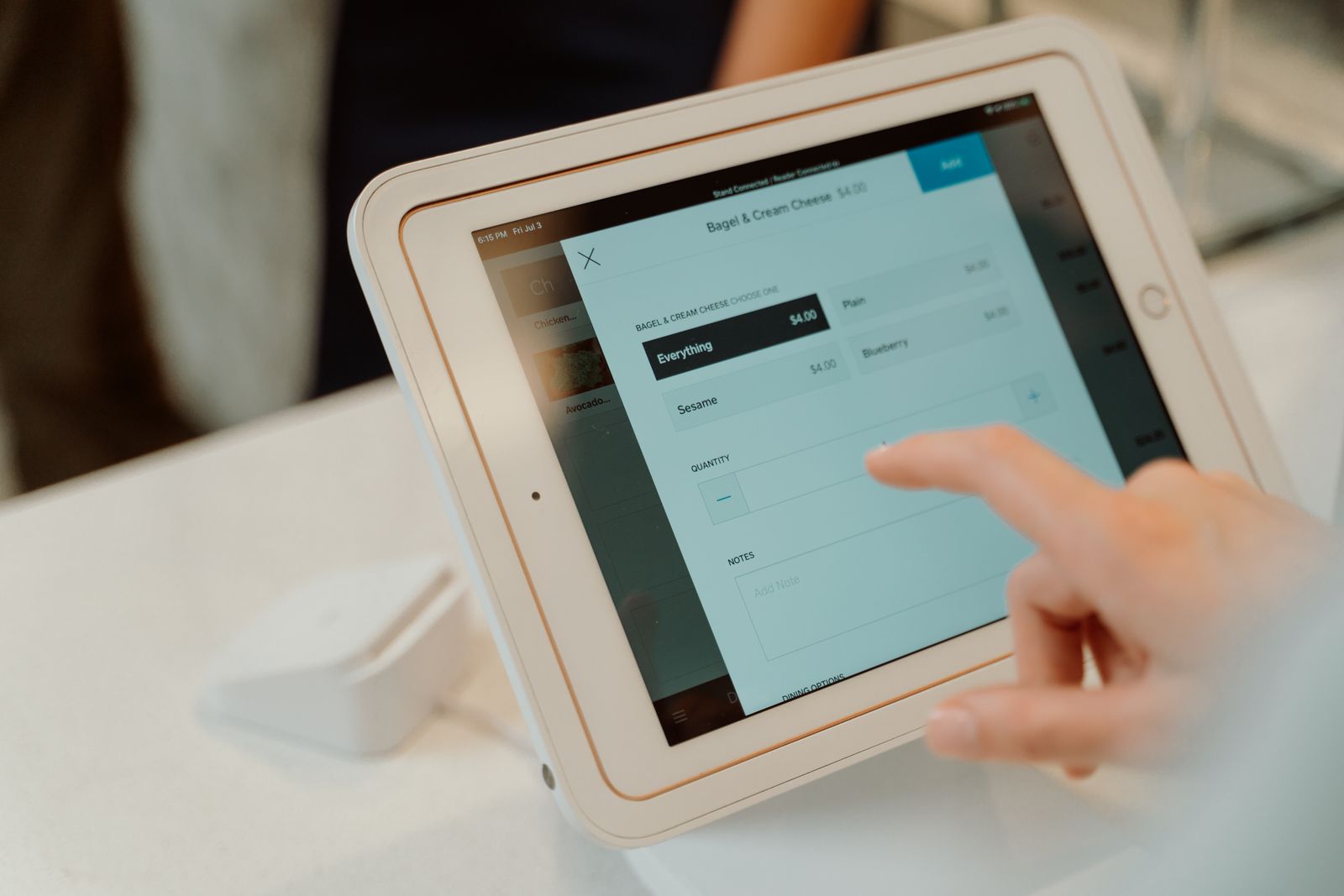
How to Set Up Payment Processing for Your Nail Salon: POS Systems, Online Payments, and Booking Integration
Everything nail salon owners need to know about choosing a POS system, enabling online payments at booking, and connecting it all together — so clients pay effortlessly and your money lands on time.
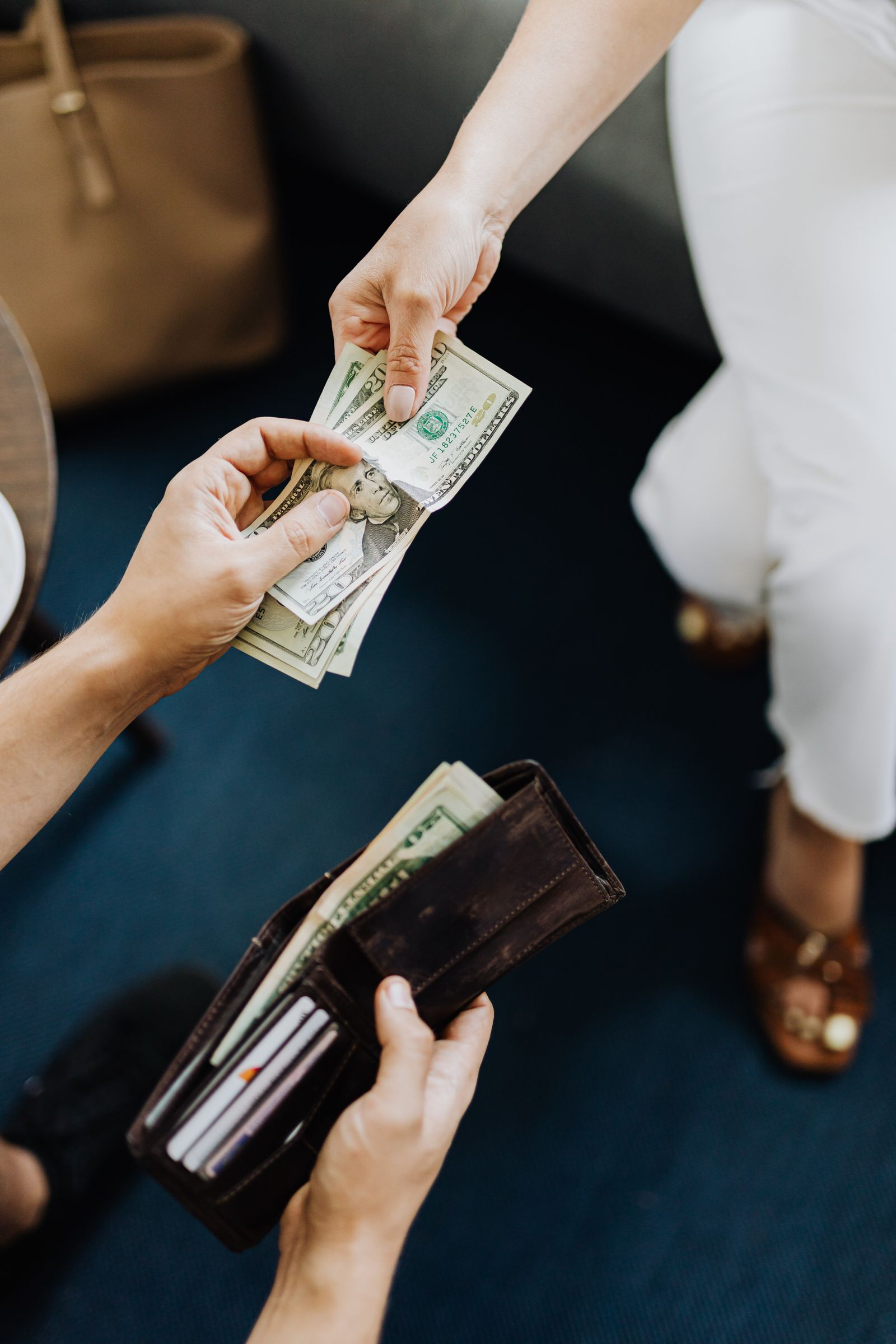
Nail Salon Pricing Strategies for Summer 2026: How to Stay Competitive and Raise Your Average Ticket
Summer is peak season for nail salons, but it also brings fierce competition — clients shop with their eyes and their wallets. Here are practical pricing strategies that will help your nail salon earn more without losing the clients you've worked hard to build.

How to Manage Your Nail Salon Team: Motivation, Retention, and Growth
Technician turnover is one of the biggest headaches nail salon owners face. This article breaks down how to build a team management system that retains talented professionals and turns your staff into a genuine business asset.