7 Proven Client Retention Strategies for Nail Salons: How to Build Loyalty That Lasts for Years
Acquiring a new client costs five times more than keeping an existing one — and in the nail industry, where everything runs on trust and personal connection, that gap hits especially hard. Here are seven concrete strategies to turn first-time visitors into regulars who keep coming back year after year.
Why Retention Beats Acquisition Every Time
Most nail salon owners pour the bulk of their marketing budget into finding new clients: Instagram ads, new-client promotions, first-visit discounts. That instinct is understandable — you want to grow, you want a full schedule. But a few numbers have a way of shifting that perspective.
Research on small service businesses consistently shows that acquiring a new client costs five to seven times more than retaining an existing one. On top of that, loyal clients spend an average of 67 percent more per visit than new ones. If a regular comes in every three weeks and spends around $75 each time, she's worth roughly $1,300 to your salon over the course of a year. Losing that client doesn't mean losing one appointment — it means losing a year's worth of revenue, and then some.
The good news is that client retention in the nail industry responds well to a systematic approach. Below are seven strategies that actually work, with specific steps and real-world examples.
Strategy 1. Create a First-Visit Experience Worth Remembering
Loyalty doesn't start with a punch card or a points program. It starts the moment a client walks through your door for the first time — and that first impression determines whether she ever comes back.
What actually makes a first visit memorable? Start with a name greeting. If she booked online, you already know her name before she arrives. Using it when she walks in is a small gesture that immediately signals personal attention rather than a transactional exchange. From there, a brief intake conversation — two or three questions about her style, her lifestyle, how hard she is on her hands — goes a long way. A client who works as a nurse needs very different recommendations on shape and length than a client who works at a desk.
Finally, pay attention to how you say goodbye. Most technicians wrap up with a standard "see you next time." But if you say something like "Jessica, you went with an almond shape and a nude gel today — next time we could go a little more dramatic if you want to try something new" — you've already planted the idea of the next visit before she's even out the door.
Practical step: create a simple client card — digital or handwritten — with three fields: preferred styles, any nail concerns, and one personal detail (for example, "brings her daughter" or "sensitive to strong smells"). It takes two minutes to fill out and pays off for years.
Strategy 2. A Booking Experience That Doesn't Drive Clients Away
One of the most underrated reasons salons lose clients is a frustrating booking process. It sounds basic, but think about it: if a client tried to call three times, couldn't get through, and ended up booking a competitor via Instagram at 10 p.m. — you didn't lose her because of your work. You lost her because of logistics.
Statistics show that more than 60 percent of beauty service bookings now happen outside of business hours — in the evenings or on weekends. Clients plan their appointments when they're free, not when your front desk is staffed.
What does that mean in practice? You need 24/7 online booking. But the form alone isn't enough — what actually moves the needle is what happens after the booking is made. A confirmation, a reminder the day before, and a nudge a few hours before the appointment. Salons that implement automated reminders typically see no-shows drop by 30 to 40 percent.
There's also the messaging factor. If a potential client DMs you on Instagram at 9 p.m. and hears nothing back, she won't wait until morning. She'll go where someone answers. Even an automated reply — "Thanks for reaching out! You can book online anytime here: [link]" — is dramatically better than silence.
Practical step: right now, send yourself a message through whatever channel a new client would use at 10 p.m. What does she see? Is there an auto-reply? A booking link? If not, that's your first fix.
Strategy 3. A Loyalty Program Simple Enough to Explain in One Sentence
Loyalty programs only work when clients actually understand them. Complicated point systems with tiers, expiration windows, and blackout dates are a marketing trap. Clients stop tracking, forget their balance, and eventually feel cheated rather than rewarded.
The most effective loyalty programs for nail salons are built around simple, predictable mechanics. A few formats that consistently perform well:
The punch card — buy nine, get the tenth free. This is a classic for a reason. Psychologically, a free service hits differently than a 15 percent discount. Clients would rather get something for nothing than save a few dollars.
The prepaid package — "buy five manicures now, pay for four." This solves two problems at once: it gives you predictable revenue, and it commits the client to your salon for the next several months.
The referral offer — "bring a friend, you both get 20 percent off your next visit." People are happy to recommend businesses they love if there's a clear and immediate reward. The key is keeping it frictionless: no forms, no referral codes — just have the new client mention your name when she books.
Practical step: if you don't have a loyalty program yet, start with the simplest possible option — a punch card or a referral offer. Run it for three months, look at the numbers, and only then consider adding complexity.
Strategy 4. Personalized Communication Between Visits
The gap between appointments isn't dead time. It's the window where a client either stays connected to your salon or drifts toward whoever's top of mind when she's ready to book again. Salons that communicate thoughtfully between visits retain clients at significantly higher rates than those that go quiet until the next appointment.
What actually works between visits?
A check-in two to three days after the appointment: "Hi Sarah, how are your nails holding up? If anything's bothering you, just let me know — we'll make it right." This reads as genuine care, not marketing. The vast majority of clients will respond warmly, and the ones who have a real concern will surface it now rather than quietly switching salons.
A rebooking nudge timed to her natural cycle. If she usually comes in every three weeks, send a gentle message around day 18: "Almost time for a refresh — want to grab a spot?" with a direct booking link. It's not pushy; it's convenient.
A personalized birthday message. This sounds obvious, but it works every time — especially when it arrives two or three days before her birthday with a specific offer: "In honor of your birthday, your manicure this month is 20 percent off." Specificity and a clear time window matter more than the size of the discount.
Seasonal outreach with a personal touch. There's a world of difference between blasting "15 percent off gel polish in October" to your whole list and texting "Hey Amanda, fall is the perfect time to try some of those deeper shades that would look amazing on you — we just got some great new colors in." The personal version gets opened three to four times more often.
Practical step: map out a simple communication calendar — three days after the visit, eighteen days before the next expected visit, three days before her birthday. Even done manually, this is fifteen minutes a day and produces a noticeable impact on return rates.
Strategy 5. Handle Reviews Like They're Part of the Service
Many salon owners feel awkward asking for reviews. It seems presumptuous or pushy. But here's a counterintuitive fact: clients who leave reviews return 40 percent more often than those who don't. The act of writing a review deepens their connection to your business — it's a psychological commitment effect that works in your favor.
How do you ask well? Not in an automated follow-up blast sent the next afternoon. The best moment is right at the end of the appointment, when the client is looking at her nails and smiling. "Ashley, do you love it? If you have a second, a quick Google review would mean the world to us." A direct, personal ask works far better than any automated message.
What about negative reviews? The rule is simple: always respond, respond fast, and never get defensive. "Thank you for sharing this — we're sorry your visit didn't live up to your expectations. Please reach out to us directly so we can make it right." That kind of response doesn't just address the reviewer; it signals to every potential client reading it that your salon takes accountability seriously. Research consistently shows that a complaint handled well actually produces higher loyalty than if no problem had occurred at all — meaning a client whose issue was resolved ends up more committed to you than one who never had an issue.
Practical step: add one question to your checkout routine — "Is there anything I can do better?" If the answer is yes, address it now, in person. If the answer is no, ask for a review. That conversation is worth more than any feedback survey.
Strategy 6. Invest in Your Technicians' Growth
Clients don't bond with a salon in the abstract — they bond with a specific technician. When that person leaves, a significant chunk of her clientele often walks out the door with her. That means client retention and staff retention are the same problem.
What keeps technicians engaged and loyal? Professional development. A technician who learns a new technique every six months, earns a new certification, or attends an industry trade show stays motivated and forward-looking. She sees a path, not a treadmill.
And this directly affects clients too. When a technician says "I just got back from a nail art workshop — I'm doing this incredible marble technique now, do you want to try it?" that creates momentum and excitement. The client returns not out of habit but out of genuine curiosity about what's new.
What's worth investing in: one or two continuing education courses per year, entry in professional competitions, subscriptions to trade publications. Budget range: $300 to $1,000 per technician annually. The return is lower turnover and a more stable, growing client base.
Practical step: have a one-on-one conversation with each technician about what techniques she'd like to develop this year. Put a simple plan on paper. It takes an hour and changes how she shows up to work.
Strategy 7. Build a Community Around Your Salon
Salons that clients think of as part of their lives — not just a place to get their nails done — have retention rates that are in a completely different league. You don't need to throw events or create a formal membership to get there. You just need to consistently create a sense of belonging.
In practice, this starts with social media content that tells stories rather than just selling services. Photos of finished nails are great. But when clients see behind-the-scenes moments — the team celebrating a birthday, a peek at the new space after a renovation, a funny moment from the day — they feel connected to real people, not a brand.
Second, involve clients in your content. "Can I take a photo of your nails for our Instagram — I'll tag you!" A client who's been featured in your feed becomes an ambassador. She'll share it, her friends will see it, and you've triggered word-of-mouth that no ad budget can replicate.
Third, give loyal clients a sense of insider access. "Our regulars get first look at new seasonal designs." "Here's an exclusive early preview of our fall collection." The feeling of being on the inside is more powerful than a discount for most people.
Practical step: this month, publish one post that isn't about selling anything. Tell a story about your salon or your team — something personal, something real. Watch what happens to your engagement.
Putting It All Together
Reading seven strategies is easy. Implementing them consistently, without burning out halfway through, is the harder part. The most common mistake salon owners make is trying to change everything at once, not seeing overnight results, getting frustrated, and reverting to old habits.
A realistic rollout looks different. Month one: focus on the client card and your first-visit protocol. Month two: set up automated booking reminders and a post-visit check-in message. Month three: launch a simple loyalty program. By month six, you'll have a working system — not a collection of half-finished experiments.
The number to watch: your return visit rate. If three out of every ten new clients come back, that's 30 percent. Salons with strong retention systems run at 60 to 70 percent. That difference isn't just in revenue — it's in stability, in how full your schedule stays, and in how confident you feel showing up to work every day.
Retention isn't magic. It's not a personality trait. It's a system — and most of it can be automated. Appointment reminders, booking confirmations, post-visit messages, birthday offers: all of that can run in the background without requiring your attention every day. Tools like ManicBot are built specifically for nail salons and bring online booking, automated client messaging, and a full CRM into one place. But even if you start with nothing but a notebook and a text message app, you can begin building this system today. Because every client who doesn't come back isn't just a missed appointment. It's a relationship that never had the chance to grow into years.
Related articles
Email Marketing for Nail Salons: How Automated Campaigns Bring Clients Back and Fill Your Calendar
A nail salon newsletter is one of the most cost-effective ways to retain clients and fill empty appointment slots. This guide covers how to build an automated email marketing system from scratch — what to write, when to send, and what results you can realistically expect.
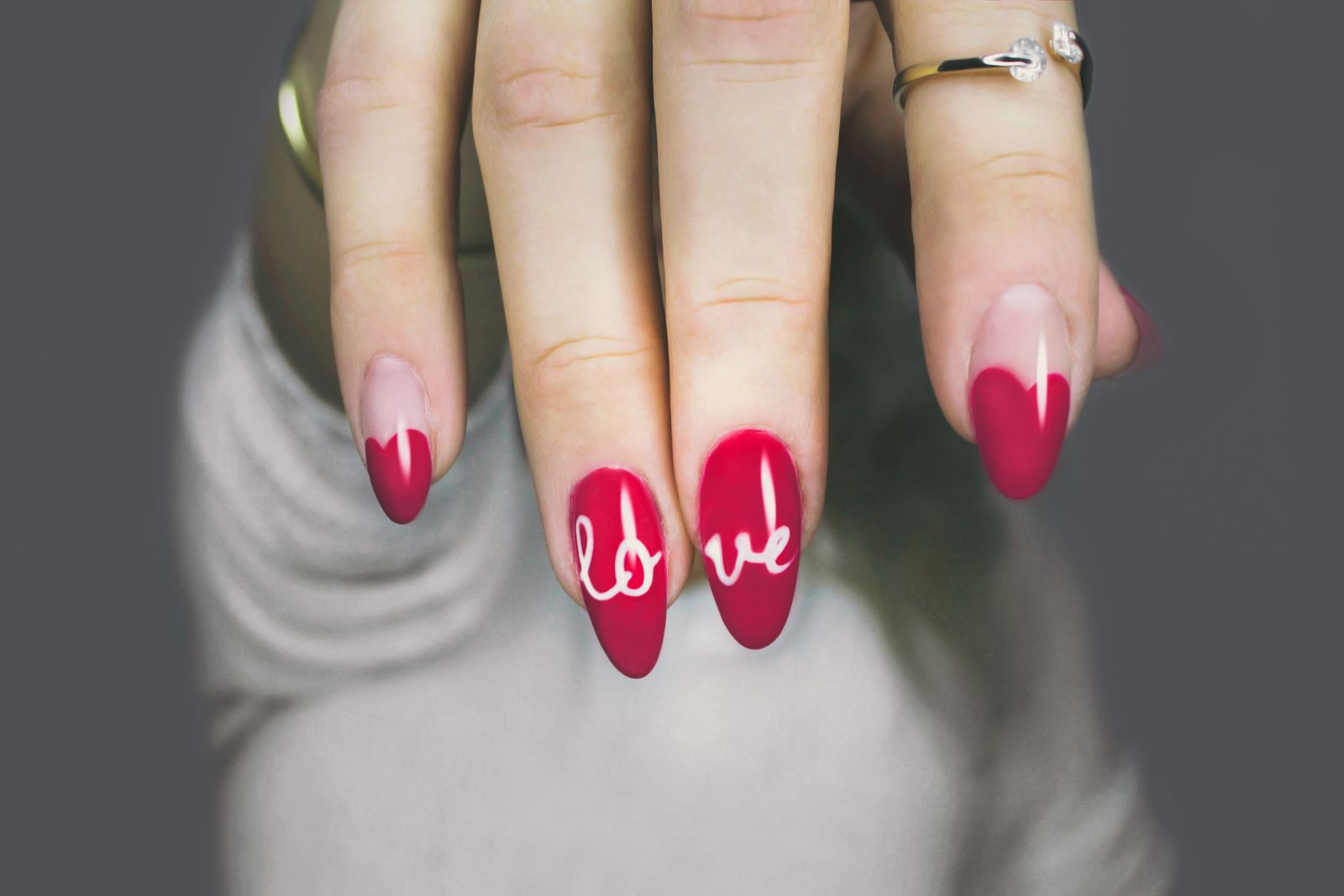
Facebook and Instagram Ads for Nail Salons: A Beginner's Step-by-Step Guide to Getting Your First Bookings from Paid Social in 2026
A complete guide for nail salon owners on setting up Meta ads from scratch — how much it costs, how to target the right clients, and what results to expect in your first month.

10 minutes to your first bot booking: step by step, no developers, no integrations
Registration, services, schedule, first client. A guide for salon owners who've never set up a bot. With real screenshots and numbers.